Water Damage Restoration 101: Recognizing the Process and Cost
Water damage can strike all of a sudden, leaving house owners in a state of confusion. Recognizing the remediation procedure is vital for effective recovery. From reviewing the damage to selecting the appropriate service provider, each action impacts the total outcome and expense. Variables such as the kind of water damage and urgency likewise play a significant duty. What are the certain strategies utilized in reconstruction, and how can one plan for possible expenses?
Types of Water Damage
Initial Assessment and Examination
Water Extraction Techniques
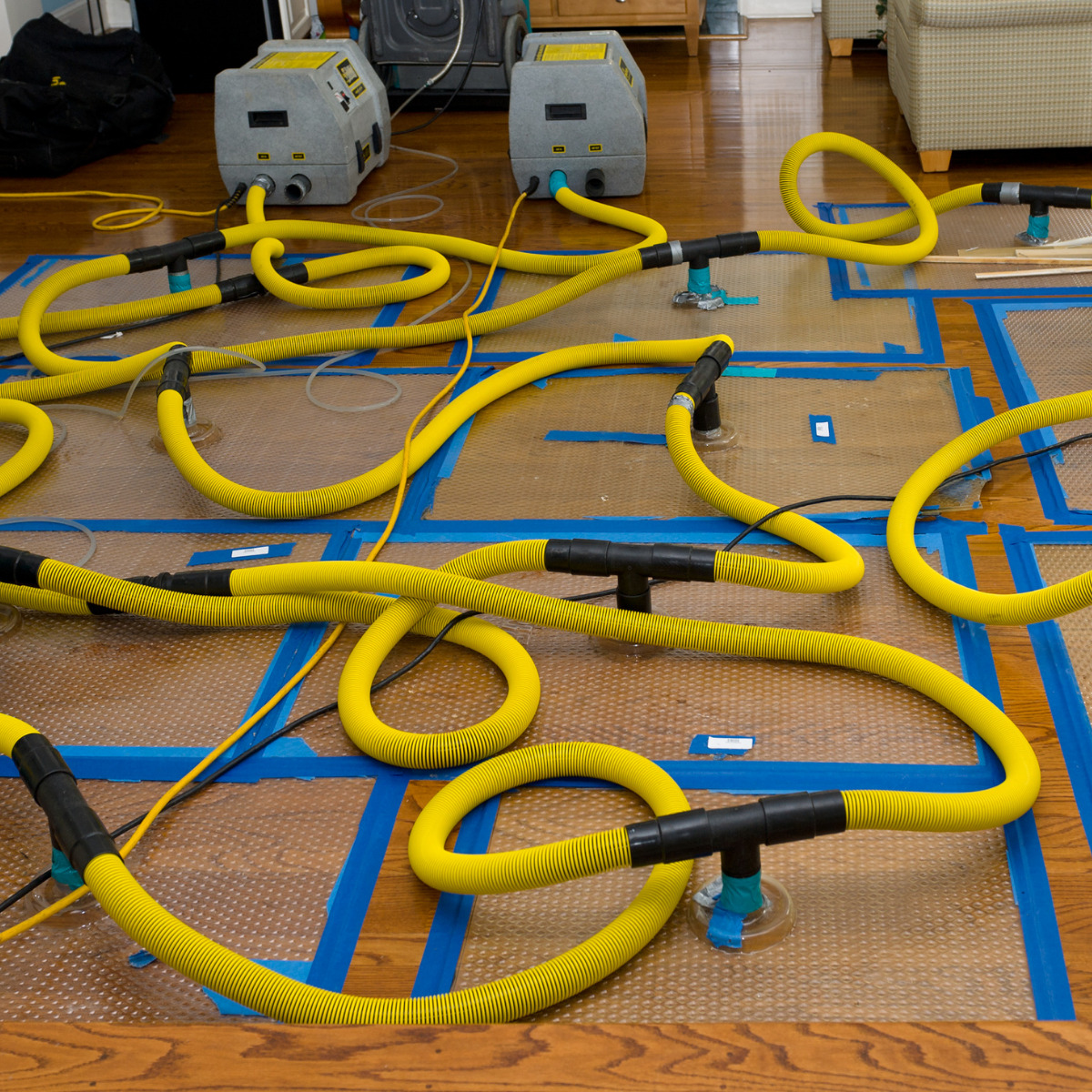
Following the initial assessment, efficient water extraction methods are employed to mitigate damage and prevent further concerns. These strategies include making use of customized equipment such as industrial-grade vacuums and submersible pumps - Water Damage Restoration. The selection of technique depends on the quantity of water existing and the kind of products impacted. For standing water, completely submersible pumps are usually used for fast removal, while vacuum cleaners are perfect for drawing out water from carpets and furniture. Furthermore, advanced methods like water extraction floor coverings may be utilized for hard-to-reach locations - Water Damage Restoration. The objective is to eliminate as much water as possible, decreasing the possibility for mold and mildew growth and architectural damage. Prompt and effective water extraction is vital in the general water damage restoration process
Drying Out and Dehumidification Process
Once the water removal is full, the drying out and dehumidification process becomes vital to bring back the affected location. This stage typically employs industrial-grade dehumidifiers and air movers to successfully lower moisture levels. The dehumidifiers attract wet air, removing excess moisture, while air moving companies circulate air to accelerate evaporation. Monitoring devices is often made use of to track moisture and temperature level levels, guaranteeing ideal drying problems. The period of this procedure can differ depending upon the level of the water damage and ecological elements. It is crucial to extensively dry all affected materials, including wall surfaces, flooring, and home furnishings, to stop mold and mildew growth and architectural damage. Proper implementation of this step is vital for an effective remediation outcome.
Cleansing and Disinfecting Affected Locations
As soon as the drying out procedure is total, a complete initial evaluation and evaluation of influenced locations is vital to identify contamination degrees. Efficient cleansing techniques and appropriate products must after that be employed to get rid of debris and stains. Finally, sanitization and disinfection approaches are important to ensure that hazardous pathogens are removed, restoring the room to a safe problem
First Analysis and Inspection
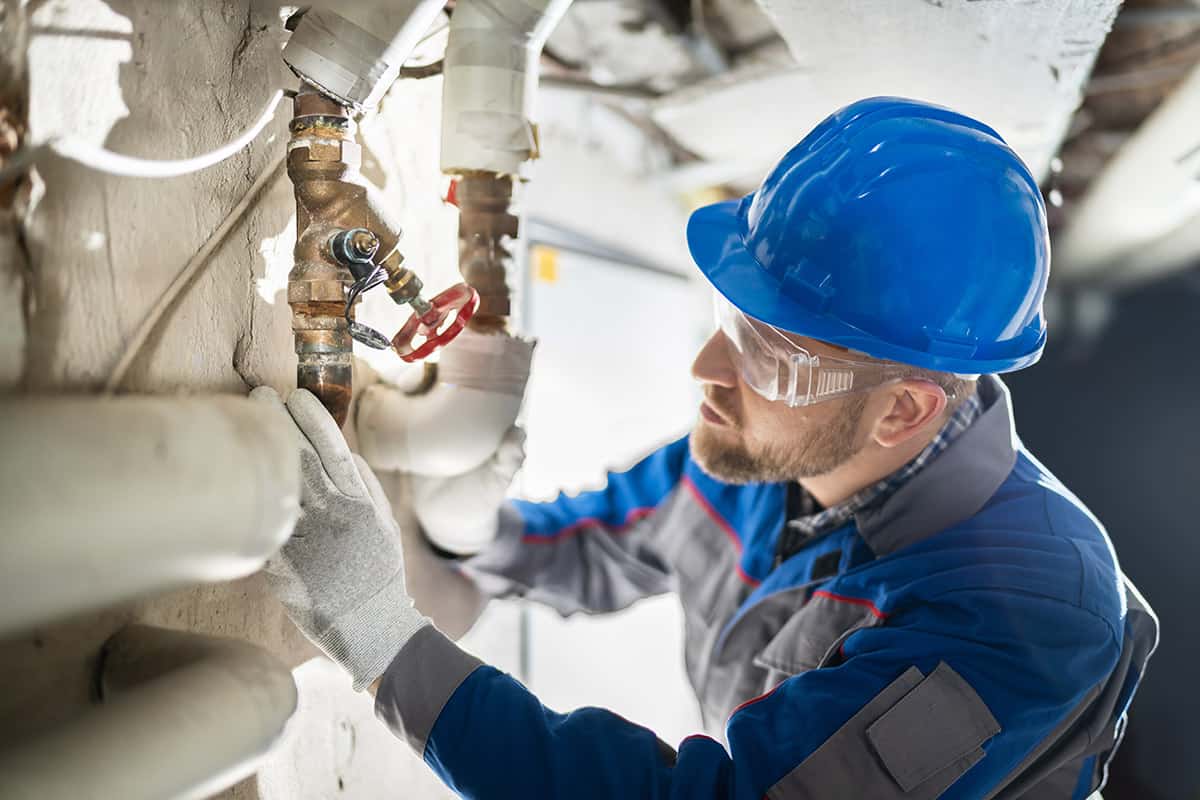
Prior to starting any reconstruction initiatives, a complete preliminary assessment and examination of the affected locations are essential for reliable cleansing and disinfecting. This process includes identifying the degree of water damage, establishing the source of the water breach, and examining the materials affected. Inspectors usually try to find indicators of mold and mildew growth, architectural integrity problems, and harmed items. The evaluation also consists of checking dampness degrees making use of specialized devices to ensure no surprise water pockets remain, as these can lead to further problems. Documenting the findings is vital for preparing the following action in the restoration process. A detailed preliminary assessment makes it possible for restoration professionals to develop a targeted approach for efficient cleansing and disinfecting, eventually lessening damage and wellness risks.
Cleansing Strategies and Products
Effective cleansing and disinfecting of water-damaged areas call for a variety of products and strategies tailored to the particular materials impacted. For porous surface areas like drywall and carpets, extraction approaches are necessary to get rid of excess dampness, adhered to by deep cleaning with specialized detergents. Non-porous materials such as ceramic tile or steel can be cleaned up utilizing commercial-grade cleansers that efficiently eliminate impurities. Heavy steam cleaning is an additional reliable method, specifically for carpetings and furniture, as it makes use of heats to eliminate bacteria and mold and mildew (Water Damage Restoration). Furthermore, eco-friendly products are increasingly prominent for their safety and efficacy - Water Damage Restoration. Eventually, picking the ideal cleansing methods and items not just ensures immediate tidiness but likewise aids in protecting against additional damage and carcinogen associated with water invasion
Sanitization and Disinfection Techniques
When addressing water damage, correct sanitization and sanitation techniques are vital to guarantee the safety and security and health and wellness of the afflicted atmosphere. After initial cleaning, surfaces have to be treated with suitable anti-bacterials to eliminate microorganisms, mold, and microorganisms that prosper in moist problems. Typical methods consist of the use of EPA-approved chemical anti-bacterials, which can be applied via splashing or cleaning techniques. Furthermore, ultraviolet (UV) light systems can successfully sanitize locations by counteracting microorganisms without severe chemicals. The choice of technique frequently depends upon the kind of materials affected and the level of contamination. Eventually, comprehensive sanitization not just brings back a risk-free home yet likewise aids protect against future health risks related to lingering wetness and mold and mildew development.
Repairs and Restoration Options
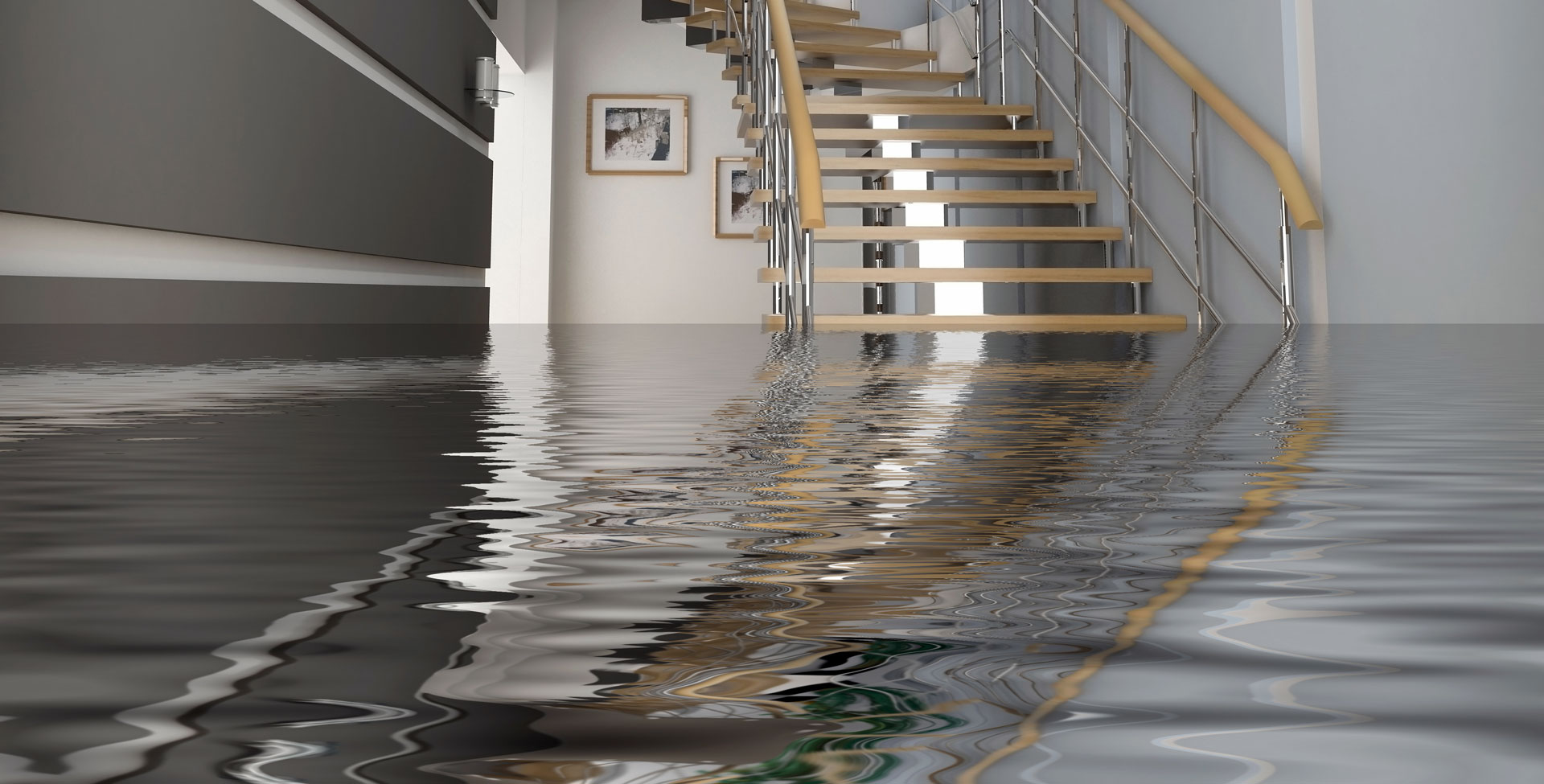
Reviewing the damage created by water direct exposure is essential for identifying the suitable repairs and restoration options. Homeowners may deal with numerous issues, including damaged drywall, distorted flooring, and compromised structural components. Depending upon the extent of the damage, fixings might include replacing areas of drywall, mounting new floor covering, or strengthening structural beam of lights. In cases of severe damage, total substitute of damaged materials may be essential. In addition, expert restorers often advise utilizing wetness meters to examine surprise wetness levels prior to selecting the most effective training course of action. It is essential to act quickly to prevent mold and mildew development and further degeneration. Choosing the best options not only recovers the home however also ensures long-term safety and security and capability.
Factors Influencing Restoration Costs

The extent of water damage straight influences the remediation costs property owners can expect to sustain. Elements such as the source of the water, the period of direct exposure, and the affected products greatly affect rates. For example, clean water damage from a busted pipeline is generally much less costly to restore contrasted to damage created by sewage. Additionally, the level of contamination dictates the requirement for specialized cleansing and disposal solutions, better raising expenses. Geographic place likewise contributes, as local labor prices and schedule of restoration services can differ. Finally, the urgency of the action affects costs; quicker treatments typically lead to lower overall costs by protecting against more damage. Comprehending these elements is important for homeowners when estimating restoration costs.
The 3 key types of water damage are categorized based on contamination degrees: clean water, gray water, and black water. A comprehensive initial analysis and examination are crucial steps in the water damage restoration procedure. For standing water, submersible pumps Water Extraction And Drying are usually used for rapid removal, while vacuums are ideal for removing water from rugs and furniture. The extent of water damage straight affects the restoration sets you back homeowners can expect to sustain. Tidy water damage from a broken pipeline is typically much less expensive to restore contrasted to damage triggered by sewage.